API Transaction Charges
An API (Application Programming Interface) allows another application or service to communicate with your account. Every time information is requested from or sent to your account through the API, it is counted as an API transaction.
What Does Not Count Toward API Charges
Most customers will never generate billable API transactions during normal day-to-day use of Rental Software.
The following are included with your subscription and do not generate billable API transactions:
- Using Rental Software normally
- Managing inventory and categories
- Processing reservations and orders
- Using the Rental Software WordPress plugin
- Normal communication between your website and Rental Software
These activities are part of the normal operation of your account and are already included with your plan.
What Creates Billable API Transactions
API transaction charges usually apply when an API key has been created and is being used by another application, service, or custom integration, or your are sending data from our software to an outside program.
You can manage your API keys here:
Anything communicating with Rental Software using one of the API keys shown on this page will generate API transactions.
Common examples include:
- Connecting EventHawk using an API key
- Using Zapier automations
- Creating your own custom software or integration
- Connecting AI assistants or AI agents to your account
- Any third-party software that uses your Rental Software API key
If you created or supplied an API key to another application, that application is responsible for the API requests being made on your account.
API Transaction Pricing
- The first 500 API transactions each month are included at no additional charge.
- The next 3,000 transactions are billed at $0.01 per transaction.
- Any transactions beyond that are billed at $0.001 per transaction.
API transaction charges appear on your invoice as:
API Charges = $X.XX
API Limits
Current system limits are as follows:
- 15 requests in 10 seconds (when limit is hit there is a mandatory 20 second cooldown period)
- 300 requests in 300 seconds (5 minutes)
If one of these limits is reached, our support team is notified at most once per hour and the request receives an HTTP 429 Too Many Requests response. If you are using AI to connect to our server, whether via the API or not, make sure you give the AI engine our limits so we do not have to turn off your account temporarily.
If Your Transaction Counts Seem High
You cannot currently set your own hard limit for API transactions on an API key. Once an API key has been provided to another application, that connected application determines what information it requests and how frequently it requests it.
Because of this, transaction counts can vary significantly depending on how a third-party application or automation has been configured.
For example, some applications may:
- Request the same information every few minutes
- Download large lists of records instead of requesting only new or updated data
- Repeatedly query information that has not changed
- Perform multiple API requests when a single request would accomplish the same task
If you notice unexpectedly high transaction counts, we recommend reviewing the configuration of the application, automation, or integration generating the activity. Custom software, AI agents, automation platforms, and third-party integrations can often be adjusted to request only the information they actually need or to run less frequently, reducing unnecessary API usage.
Monitoring your transaction logs regularly can help identify inefficient integrations and prevent unnecessary API charges.
Viewing Your API Usage
If you would like to see exactly where your API transactions are coming from, you can review the transaction log for each API key.
Step 1 - Open the API Keys Page
Navigate to:
https://rental.software/account/#/settings/api
This page displays every API key associated with your account, including both active and inactive keys.
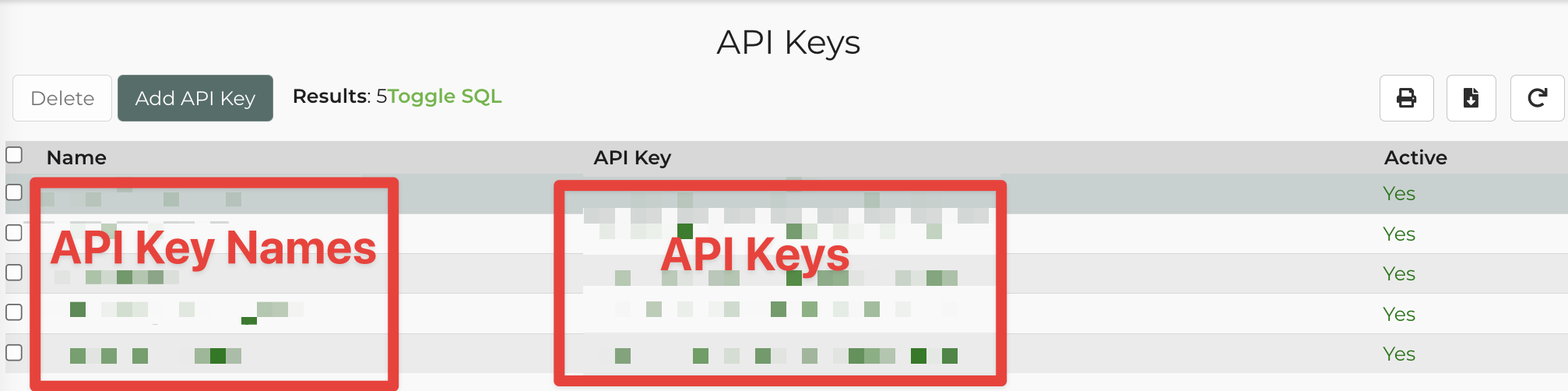
Step 2 - Open an API Key
Click any API key to open its details page.
For the purposes of reviewing API usage, the most important section is the Transaction Counts area located on the left side of the page.
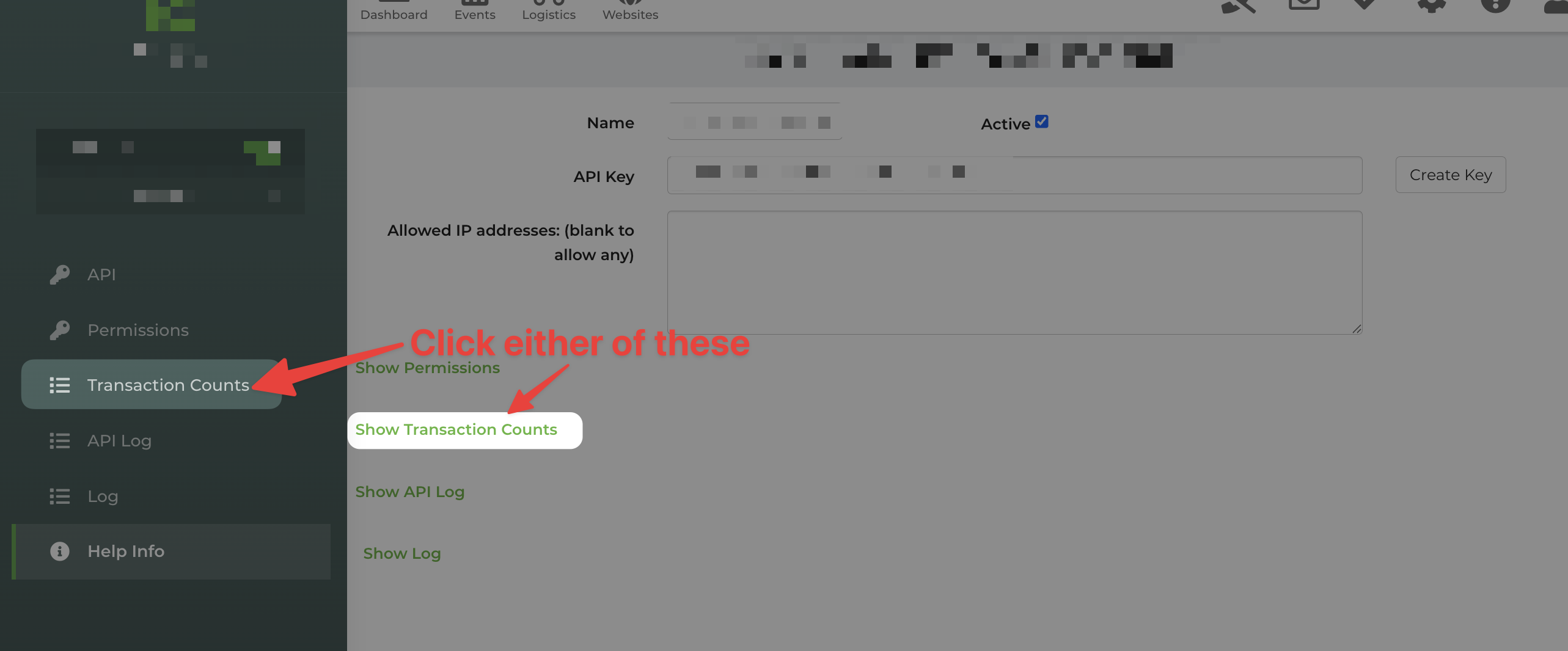
Step 3 - View Transaction Counts
Click either:
- Transaction Counts in the left navigation menu
- Show Transaction Counts
This expands the daily transaction log for that API key.
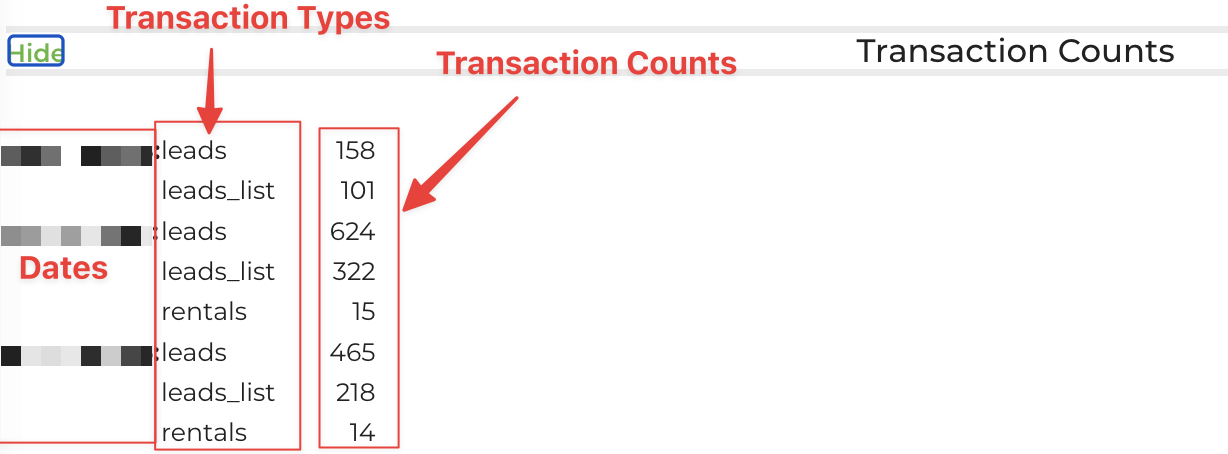
Understanding the Transaction Log
The transaction log groups API usage by day and shows which API endpoints were accessed.
Each entry contains:
- Date - the day the requests occurred
- Endpoint - the type of information being requested, such as
leads_list,
<span style="color: rgb(0, 0, 0);">rentals_list</span>, or
<span style="color: rgb(0, 0, 0);">leads</span> - Transaction Count - the number of API requests made to that endpoint on that day
For example:
-
<span style="color: rgb(0, 0, 0);">YYYY-MM-DD</span> -
<span style="color: rgb(0, 0, 0);">leads_list</span>- 2,363 transactions
-
<span style="color: rgb(0, 0, 0);">rentals_list</span>- 96 transactions
-
<span style="color: rgb(0, 0, 0);">leads</span>- 57 transactions
Reviewing this log is the easiest way to identify which connected application is generating API traffic and how much activity it is creating each day.
Another Place to Check: Automations
If you are trying to trace down transaction charges and do not see any API keys listed on the API Keys Settings page, another place to review is your automations.
Some automations can generate the same types of billable transactions, especially when they use the Send Data action to send data out of Rental Software.
How to Review Automations
- Open the Settings menu.
- Click Automations.
- Review your automations and look for any that use the Send Data action.
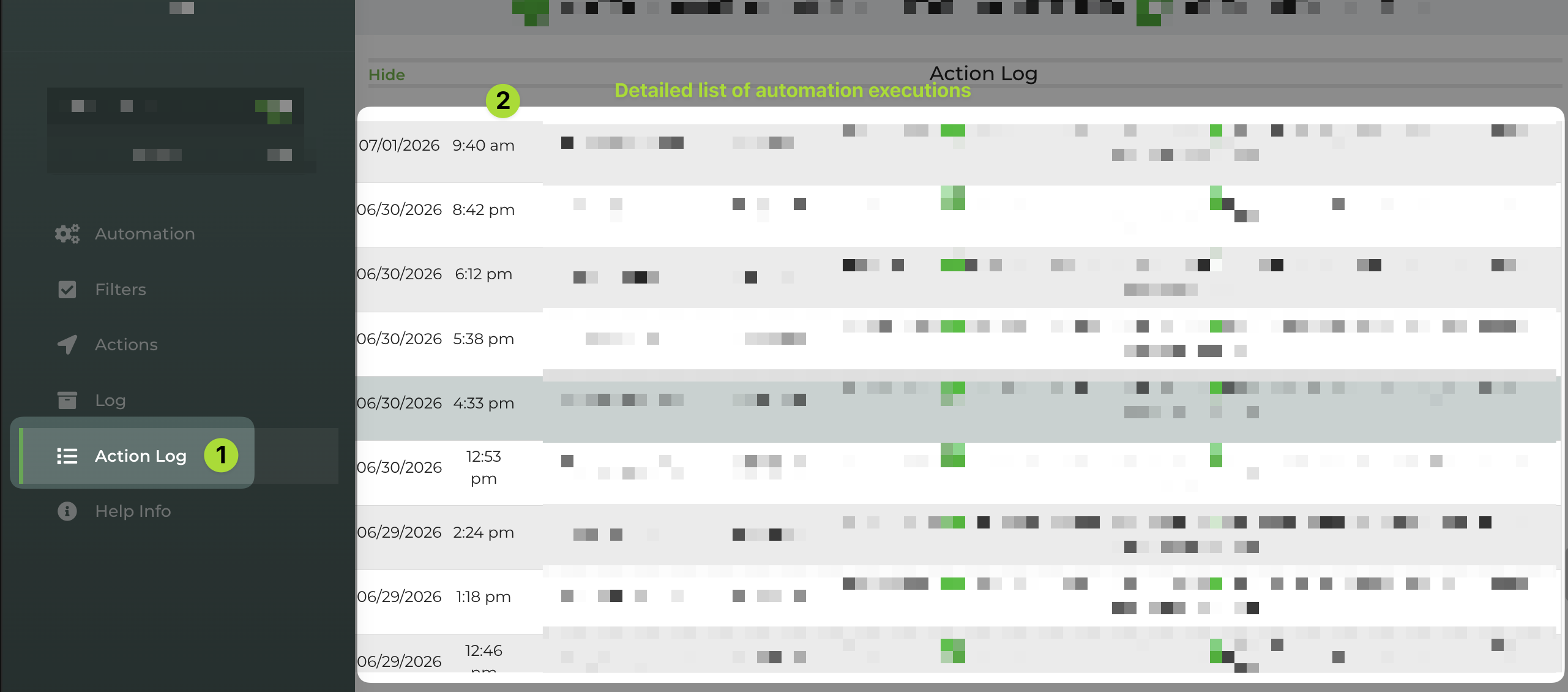
If you are auditing automation activity and want to see what has been happening, open the automation and click Action Log in the left-hand navigation menu.
The Action Log shows a history of each time that automation ran, which can help you identify whether an automation is contributing to transaction activity.
Automation using the "send data" action: 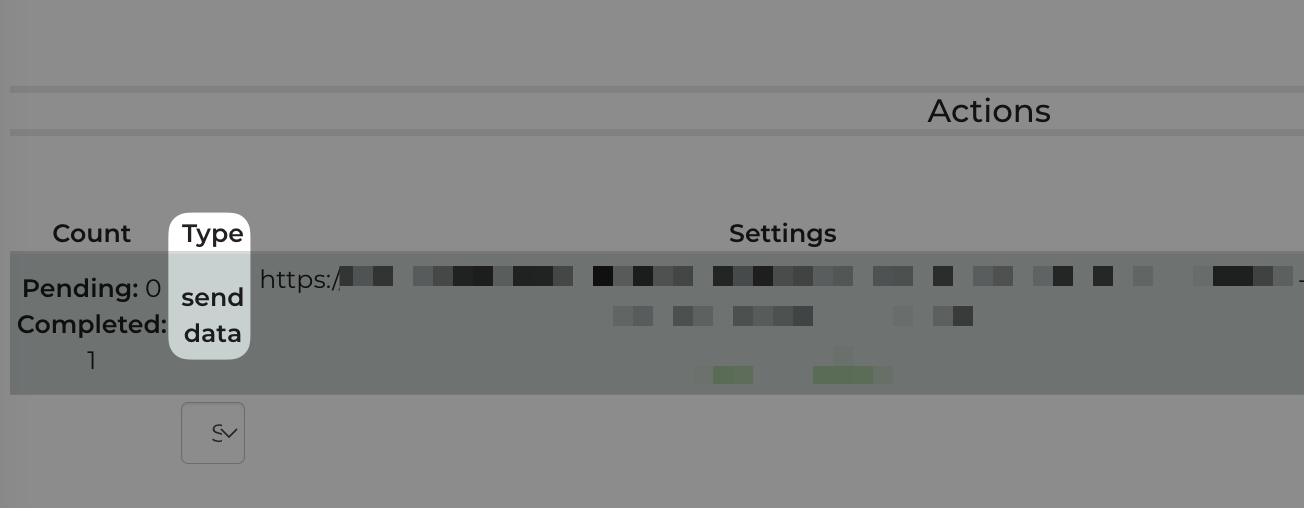
Action Log for Automation: